
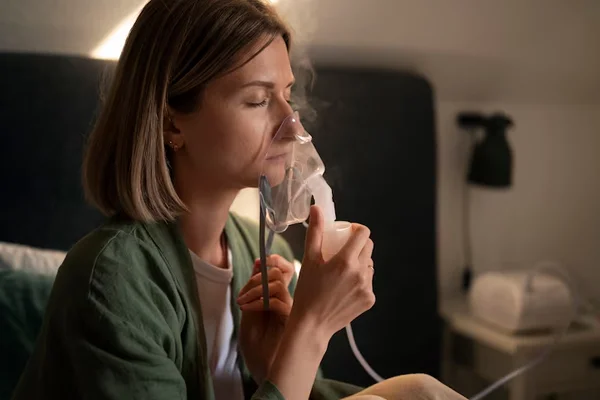
Nebulization is a commonly used method of delivering prescribed medication directly into the airways in the form of a fine mist. It can be useful when a patient needs inhaled medication but has difficulty using certain inhaler devices effectively. Nebulization may be recommended in selected respiratory conditions based on the patient's symptoms, age, medical history, and clinical assessment.
At the clinic of Dr. Vandana Boobna in Pitampura, nebulization is available as part of comprehensive primary healthcare. With 20 years of experience in Family Medicine, Dr. Vandana Boobna provides personalised medical evaluation and respiratory care based on the individual needs of each patient.
Nebulization involves using a nebulizer machine to convert liquid medication into a fine aerosol or mist that can be inhaled through a mask or mouthpiece. The medication reaches the respiratory tract through normal breathing.
The procedure is generally simple and does not require injections. Depending on the medication prescribed and the patient's condition, nebulization may help deliver treatment to the airways when clinically appropriate.
Nebulization should be performed or recommended under appropriate medical guidance. The medication, dosage, frequency, and duration depend on the patient's condition and should not be decided without professional advice.
Nebulization may be considered when a patient has respiratory symptoms that require inhaled medication. It can be particularly useful when symptoms affect breathing or when a patient is unable to use an inhaler properly.
A doctor may consider nebulization for patients experiencing:
The need for nebulization depends on the underlying cause of symptoms. Not every cough or breathing problem requires nebulization, which is why medical evaluation is important before starting treatment.
Asthma is a chronic respiratory condition in which the airways can become inflamed and narrowed, leading to symptoms such as wheezing, coughing, chest tightness, and difficulty breathing.
During certain episodes, a doctor may recommend inhaled medication through a nebulizer depending on the severity of symptoms and the patient's ability to use other delivery methods.
Dr. Vandana Boobna provides medical care for patients with asthma and can assess respiratory symptoms to determine an appropriate treatment approach. Long-term asthma management may also involve identifying triggers, following prescribed medication schedules, and attending regular medical reviews.
Breathing difficulty can occur due to several different causes. Respiratory infections, asthma, airway irritation, allergies, and other medical conditions can contribute to breathing problems.
Nebulization may sometimes be used when inhaled medication is clinically appropriate. However, breathing difficulty should not automatically be treated with nebulization without identifying the underlying cause.
Dr. Vandana Boobna evaluates the patient's symptoms and overall medical history before recommending appropriate care.
Nebulization can be used for patients across different age groups when medically indicated. Children may sometimes find it difficult to coordinate breathing with certain inhaler devices, while some adults may also require an alternative method of delivering prescribed inhaled medication.
The choice of treatment depends on the patient's age, symptoms, diagnosis, medical history, and ability to use the recommended medication-delivery device correctly.
A nebulizer uses a compressor or another mechanism to convert liquid medication into a fine mist. The patient inhales the mist through a mouthpiece or face mask.
During the procedure, the patient generally sits comfortably and breathes normally through the device. The duration may vary depending on the medication and the nebulizer being used.
Patients should follow the instructions provided by their healthcare professional regarding the prescribed medication and use of the nebulizer.
Nebulization is a non-invasive method of administering inhaled medication and is generally painless. The patient simply breathes the medication mist through the mouthpiece or mask.
Some medications used through nebulizers may cause temporary effects such as throat irritation, a change in taste, or other medication-related effects. Any unexpected or concerning symptoms should be discussed with a healthcare professional.
Respiratory infections can sometimes cause cough, congestion, wheezing, or breathing discomfort. Whether nebulization is appropriate depends on the symptoms and underlying condition.
Nebulization does not treat every type of respiratory infection. A doctor may recommend it only when there is a specific clinical reason to deliver prescribed medication through the inhaled route.
Proper evaluation is therefore important before choosing nebulization as part of treatment.
Respiratory symptoms can range from mild and temporary problems to conditions requiring urgent medical attention. Symptoms such as persistent breathlessness, severe wheezing, chest discomfort, bluish lips, confusion, or rapidly worsening breathing require prompt medical assessment.
Nebulization should not be considered a substitute for proper diagnosis. A doctor may assess the patient's symptoms, breathing, medical history, and other relevant factors before recommending treatment.
Dr. Vandana Boobna follows a comprehensive approach to primary healthcare and focuses on understanding the underlying health concern before providing medical guidance.
Respiratory health is often connected with a patient's overall medical condition. Individuals with diabetes, hypertension, obesity, thyroid disorders, or other chronic conditions may require a broader approach to healthcare.
With experience in Family Medicine, Diabetes Care, Geriatric Care, and Mental Health, Dr. Vandana Boobna provides comprehensive medical consultations while considering the patient's overall health.
Her patient-centred approach focuses on appropriate assessment, clear communication, and continuity of care.
For residents of Pitampura and nearby areas, having access to appropriate primary healthcare can make it easier to seek timely medical attention for respiratory symptoms.
At Dr. Vandana Boobna's clinic, nebulization is available when clinically appropriate as part of comprehensive medical care. Patients can receive evaluation and guidance for respiratory concerns including asthma and other conditions that may affect breathing.
The goal is to provide convenient, patient-friendly care while ensuring that treatment decisions are based on proper medical assessment.
Dr. Vandana Boobna is a trained Family Physician with 20 years of clinical experience and a Principal Consultant at Max Super Specialty Hospital, Delhi. She is known for her caring, friendly, and empathetic approach to patient care.
She is also a certified Diabetologist, Geriatrician, and Mental Health Specialist, allowing her to provide a broad perspective on the health needs of patients across different age groups.
Patients can benefit from:
Breathing problems should not be ignored, particularly when symptoms are persistent, recurring, or worsening. Nebulization can be useful in selected situations when prescribed medication needs to be delivered through inhalation.
For nebulization in Pitampura, consult Dr. Vandana Boobna for appropriate medical evaluation and personalised respiratory care. The doctor can assess your symptoms and determine whether nebulization or another form of treatment is appropriate for your condition.
1. What is nebulization used for?
Nebulization is used to deliver prescribed medication directly into the airways as a fine mist. It may be recommended for selected respiratory conditions.
2. Is nebulization suitable for asthma?
Nebulization may be used in certain asthma situations, depending on the patient's symptoms and clinical requirements. A doctor should determine whether it is appropriate.
3. How long does nebulization take?
The duration varies depending on the medication, device, and individual treatment requirements.
4. Can adults receive nebulization?
Yes. Adults may receive nebulization when it is medically indicated and prescribed by a healthcare professional.
5. Does every cough require nebulization?
No. Cough can have many causes, and nebulization is not appropriate for every type of cough. Medical evaluation helps determine the underlying cause and suitable treatment.
6. Is nebulization painful?
No. Nebulization is generally painless and involves inhaling medication through a mask or mouthpiece.