
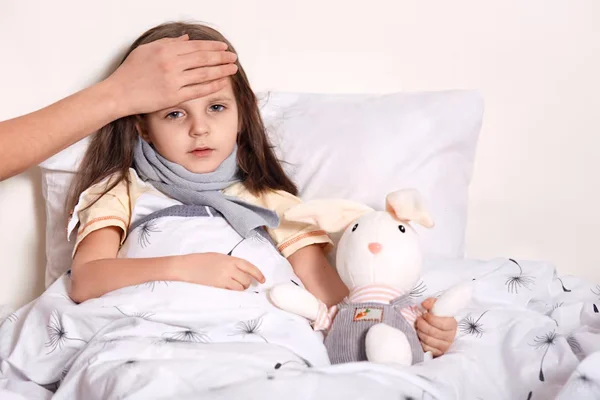
Fever is one of the most common reasons parents seek medical advice for their children. It is generally a temporary rise in body temperature and often occurs when the immune system is responding to an infection or illness. While fever itself is usually a symptom rather than a disease, understanding its cause is important for appropriate care.
Fever in children can occur at any age and may be associated with viral infections, bacterial infections, respiratory illnesses, throat infections, ear infections, urinary tract infections, or other conditions. Most childhood fevers improve as the underlying illness resolves. However, infants, very young children, and children with concerning symptoms may require prompt medical assessment.
Fever refers to an elevated body temperature above the normal range. Body temperature can vary depending on the time of day, activity level, measurement method, and the child's age.
Fever is part of the body's natural immune response. When the body detects an infection or another inflammatory process, it may raise its temperature as part of the immune response.
Parents should consider the child's age, overall appearance, activity, hydration, breathing, and other symptoms, rather than relying only on the temperature reading.
There are several possible causes of fever. Common causes include:
Viral infections are among the most frequent causes of fever in children. Common childhood viral illnesses may include cold and flu-like infections, viral throat infections, and other respiratory or gastrointestinal infections.
Fever may occur along with cough, runny nose, sore throat, tiredness, reduced appetite, vomiting, or diarrhoea depending on the infection.
Certain bacterial infections can also cause fever. These may include some ear infections, throat infections, urinary tract infections, and other bacterial illnesses.
A healthcare professional may recommend examination or appropriate tests when a bacterial infection is suspected.
Respiratory infections are common in children, particularly during periods when viral illnesses are circulating. Fever may be accompanied by cough, congestion, sore throat, or difficulty breathing.
Breathing difficulty, rapid breathing, bluish lips, or significant lethargy should receive prompt medical attention.
Ear infections and throat infections may cause fever along with irritability, difficulty swallowing, ear discomfort, reduced appetite, or disturbed sleep.
The symptoms and examination findings help determine whether further evaluation or treatment is appropriate.
The symptoms associated with fever depend on the underlying cause. A child may experience:
Increased body temperature
Chills or shivering
Sweating
Tiredness or reduced activity
Irritability
Headache
Reduced appetite
Body aches
Cough or cold symptoms
Sore throat
Vomiting or diarrhoea
Some children may continue to play and drink normally despite having a fever, while others may appear more unwell. A child's general condition is an important part of assessing the illness.
Not every fever requires emergency treatment, but certain symptoms should not be ignored.
Parents should seek prompt medical advice if the child has:
Difficulty breathing
Unusual sleepiness or difficulty waking
Severe or persistent vomiting
Signs of dehydration
A seizure
Severe headache or neck stiffness
A concerning rash, particularly one that does not fade when pressed
Persistent or worsening symptoms
Significant pain
Fever in a very young infant
The appropriate response can vary according to the child's age and medical history. Young infants with fever require particular attention and should be medically evaluated according to their healthcare provider's guidance.
Fever is assessed by considering the temperature measurement along with the child's symptoms and overall condition. During an evaluation, a doctor may ask about the duration of fever, associated symptoms, fluid intake, urine output, recent illnesses, medications, vaccinations, and possible exposure to infections.
Depending on the symptoms, a physical examination may focus on the ears, throat, chest, abdomen, skin, and other areas. Additional investigations may sometimes be recommended when the cause of fever is unclear or when a specific infection is suspected.
The main goal of fever treatment in children is to identify and manage the underlying cause while keeping the child comfortable and adequately hydrated.
Children with fever can lose additional fluids through sweating and may drink less than usual. Offering appropriate fluids regularly can help reduce the risk of dehydration.
For infants, feeding should generally continue as advised by their healthcare professional.
Children with fever should generally be kept comfortable rather than being heavily covered with blankets or clothing. A comfortable room temperature and lightweight clothing may help.
Rest supports recovery while the child's body responds to an infection. Children can gradually return to normal activities as they feel better.
Fever-reducing medicines may sometimes be recommended to improve comfort. The medicine, dose, and frequency should be appropriate for the child's age and weight.
Parents should avoid giving medicines without checking the appropriate dosage, particularly in infants and young children. Aspirin should not be given to children unless specifically directed by a healthcare professional.
Antibiotics should also not be given simply because a child has fever. Antibiotics are useful for certain bacterial infections and do not treat viral infections.
Parents can monitor several important signs at home, including:
Temperature trends
Fluid intake
Urine output
Alertness and activity
Breathing pattern
Appetite
New or worsening symptoms
It is helpful to focus on how the child is behaving and responding, rather than becoming concerned about the temperature number alone.
If the fever persists, repeatedly returns, or is accompanied by unusual symptoms, medical assessment can help identify the underlying cause.
Some childhood infections can be reduced through good hygiene and preventive healthcare. Parents can encourage regular handwashing, appropriate respiratory hygiene, adequate nutrition, and age-appropriate vaccination.
Children should also be encouraged to avoid sharing personal items such as drinking bottles or utensils when someone in the household is unwell.
Fever can have many different causes, and the appropriate management depends on the child's age, symptoms, medical history, and examination findings. A professional evaluation can help distinguish a routine childhood infection from an illness that requires closer monitoring or specific treatment.
Parents should avoid self-diagnosing the cause of persistent or unusual fever. Timely medical advice is particularly important when a child appears significantly unwell or develops warning signs.
Fever is a common symptom in childhood and is frequently associated with infections. In many cases, children recover with appropriate rest, fluids, monitoring, and treatment directed at the underlying illness. However, the child's age and overall condition are important when deciding whether medical assessment is necessary.
Understanding the causes, symptoms, warning signs, and appropriate fever treatment in children can help parents respond calmly and appropriately. When fever is persistent, severe, or accompanied by concerning symptoms, consultation with a qualified healthcare professional is recommended.
Viral infections are among the most common causes of fever in children. Colds, flu-like illnesses, and other viral infections may cause fever along with symptoms such as cough, congestion, sore throat, vomiting, or diarrhoea.
Medical advice should be sought when a child appears significantly unwell, has breathing difficulty, dehydration, unusual drowsiness, seizures, severe pain, a concerning rash, persistent vomiting, or other worrying symptoms. Very young infants with fever require particular medical attention.
Offer appropriate fluids, allow adequate rest, use comfortable clothing, and monitor the child's overall condition. Fever-reducing medicine may be used when appropriate for the child's age and weight and according to professional guidance.
Antibiotics do not treat fever itself and are not effective against viral infections. They may be prescribed when a healthcare professional identifies or strongly suspects a bacterial infection that requires antibiotic treatment.
Fever-reducing medicine may be recommended when a child is uncomfortable. The correct medicine and dose depend on the child's age and weight. Parents should follow professional or product-specific dosing guidance.
The duration depends on the underlying cause. Many infections improve within several days, but persistent, worsening, or recurrent fever should be assessed by a healthcare professional, particularly when other concerning symptoms are present.