
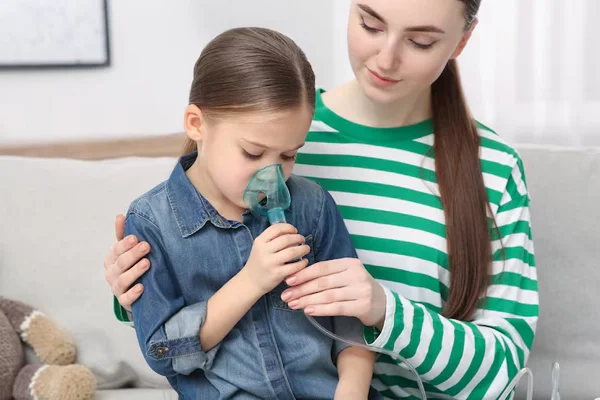
Lung diseases in children can affect breathing, sleep, physical activity, and overall development. Respiratory problems may be temporary, such as those caused by infections, or may be associated with longer-term conditions requiring regular monitoring and treatment.
Children can experience different types of lung and respiratory conditions depending on their age, medical history, environmental exposure, infections, and other factors. Common problems may include asthma, recurrent respiratory infections, pneumonia, wheezing disorders, and other conditions affecting the lungs or airways.
Recognising respiratory symptoms early can help parents seek appropriate medical evaluation and support timely management.
Lung disease in children refers to conditions that affect the lungs, airways, or the normal process of breathing. Some conditions develop suddenly, while others may continue for months or years.
A child with a respiratory condition may experience symptoms such as coughing, wheezing, shortness of breath, chest discomfort, rapid breathing, or reduced exercise tolerance. The symptoms can vary considerably depending on the underlying condition.
Not every cough or breathing problem indicates a serious lung disease. However, recurrent, persistent, or worsening respiratory symptoms should be evaluated by a qualified healthcare professional.
Asthma is a common chronic respiratory condition in children. It can cause episodes of wheezing, coughing, chest tightness, and difficulty breathing.
Symptoms may be triggered or worsened by respiratory infections, allergens, exercise, smoke, air pollution, or other environmental factors.
A proper evaluation can help identify triggers and develop an appropriate management plan.
Pneumonia is an infection that affects the lungs. It can be caused by viruses, bacteria, or other infectious organisms.
Children with pneumonia may develop fever, cough, rapid breathing, breathing difficulty, tiredness, chest discomfort, or reduced appetite. The severity can vary, and some children may require medical treatment or hospital care.
Bronchiolitis is a respiratory infection that commonly affects infants and young children. It can cause cough, wheezing, congestion, feeding difficulties, and rapid or laboured breathing.
Young children should be monitored carefully when respiratory symptoms become significant.
Some children experience repeated respiratory infections. Frequent infections may sometimes be related to exposure to other children, environmental factors, allergies, asthma, or other underlying conditions.
When respiratory infections are unusually frequent, severe, prolonged, or associated with poor growth or persistent symptoms, further evaluation may be appropriate.
Wheezing is a high-pitched breathing sound that can occur when air moves through narrowed airways. It may occur during viral infections or may be associated with asthma and other respiratory conditions.
Recurrent wheezing should be assessed to determine its possible cause.
The symptoms of lung disease can vary depending on the condition. Common signs include:
Persistent or recurrent cough
Wheezing
Shortness of breath
Rapid breathing
Difficulty breathing
Chest tightness or discomfort
Noisy breathing
Reduced stamina during physical activity
Frequent respiratory infections
Difficulty feeding in infants
Bluish lips or skin in severe cases
Tiredness associated with breathing difficulties
Some symptoms may be mild initially but become more noticeable during exercise, sleep, infections, or exposure to specific triggers.
Several factors can contribute to respiratory problems in children.
Viral and bacterial infections are common causes of acute respiratory illness. Some infections can temporarily affect lung function and breathing.
Allergic reactions and sensitivity to allergens may contribute to respiratory symptoms in some children. Dust, pollen, mould, pet allergens, and other environmental triggers can sometimes worsen symptoms.
Exposure to polluted air can irritate children's developing airways and may aggravate respiratory symptoms, particularly in children who already have asthma or other breathing conditions.
Second-hand smoke can irritate the respiratory tract and increase the risk of respiratory problems. Children should ideally be protected from exposure to tobacco smoke.
A family history of asthma, allergies, or certain respiratory conditions may increase the likelihood of particular problems. A child's previous medical history is also important when assessing recurring symptoms.
Parents should seek prompt medical evaluation if a child develops significant breathing problems.
Warning signs may include:
Severe difficulty breathing
Very rapid breathing
Chest pulling in with each breath
Bluish or grey lips or skin
Severe wheezing
Difficulty speaking, crying, or feeding because of breathlessness
Unusual sleepiness or difficulty waking
Sudden breathing problems
Persistent or worsening respiratory symptoms
Breathing difficulty in infants and young children should be taken seriously because respiratory conditions can sometimes worsen quickly.
The diagnosis depends on the child's symptoms, age, medical history, and physical examination.
A doctor may ask about:
Duration and pattern of symptoms
Previous respiratory infections
Episodes of wheezing
Possible allergy or environmental triggers
Family history
Exercise-related symptoms
Sleep disturbances
Exposure to smoke or air pollution
Previous treatments and response to treatment
Depending on the suspected condition, additional investigations may be recommended. These can include oxygen saturation measurement, blood tests, chest imaging, allergy evaluation, or lung function testing when appropriate for the child's age and ability to perform the test.
Treatment depends entirely on the underlying cause. There is no single treatment suitable for every child with a respiratory condition.
Depending on the diagnosis, a doctor may prescribe medicines to control inflammation, open narrowed airways, treat infections, or manage other symptoms.
Parents should administer medicines according to professional instructions and should not start or stop long-term respiratory medication without medical advice.
Some children with asthma or other airway conditions may benefit from inhaled medicines. These may be delivered through an inhaler with an appropriate spacer or through nebulisation when clinically indicated.
Correct technique is important because it affects how effectively the medicine reaches the airways.
Respiratory infections may require supportive care, while certain bacterial infections may require antibiotics. Antibiotics should only be used when clinically indicated and prescribed by an appropriate healthcare professional.
For children with asthma or allergy-related respiratory symptoms, identifying and reducing exposure to individual triggers can be an important part of management.
Parents can support children's respiratory health through healthy lifestyle and environmental practices.
Important measures include:
Keeping children away from tobacco smoke
Reducing exposure to indoor air pollutants
Maintaining good hand hygiene
Following recommended vaccinations
Encouraging age-appropriate physical activity
Providing a balanced diet
Maintaining good indoor ventilation
Seeking medical advice for persistent respiratory symptoms
Preventive measures do not eliminate every respiratory illness, but they can contribute to better overall respiratory health.
Persistent respiratory symptoms should not be ignored. Recurrent coughing, wheezing, exercise intolerance, or breathing difficulties may have several possible causes.
Early assessment can help identify whether symptoms are related to common infections, asthma, allergies, environmental exposure, or another respiratory condition. Appropriate diagnosis also helps prevent unnecessary medication and supports better long-term management.
Lung disease in children can range from short-term respiratory infections to chronic conditions such as asthma. Symptoms may include cough, wheezing, rapid breathing, shortness of breath, chest discomfort, and reduced activity tolerance.
While many childhood respiratory illnesses are manageable, persistent or recurrent symptoms deserve professional evaluation. Parents should seek urgent medical attention when a child has severe breathing difficulty, bluish lips or skin, unusual drowsiness, or other serious warning signs.
Understanding the symptoms and possible causes of lung disease in children can help parents recognise concerns early and seek appropriate medical care.
Common symptoms include persistent cough, wheezing, rapid breathing, shortness of breath, noisy breathing, chest discomfort, reduced exercise tolerance, and recurrent respiratory infections.
Possible causes include viral or bacterial infections, asthma, allergies, environmental pollution, tobacco smoke exposure, and certain underlying medical conditions.
A child should receive medical evaluation for persistent, recurrent, or worsening breathing symptoms. Severe breathing difficulty, bluish lips or skin, unusual drowsiness, or difficulty feeding or speaking due to breathlessness requires prompt medical attention.
Yes. Asthma affects the airways and can cause recurring episodes of wheezing, coughing, chest tightness, and breathing difficulty. Appropriate diagnosis and management can help control symptoms.
Diagnosis may involve a medical history and physical examination. Depending on the suspected condition and the child's age, doctors may recommend oxygen saturation measurement, blood tests, chest imaging, allergy testing, or lung function assessment.
Not all childhood lung diseases can be prevented. However, reducing exposure to tobacco smoke and air pollution, maintaining good hygiene, following recommended vaccinations, and seeking timely medical care for persistent symptoms can support respiratory health.
If you want, I can also create SEO location tags for both topics in your usual format.